The Loop: From 9–5 to 24/7/365

For generations, the Chicago Loop operated on a predictable rhythm.
The trains arrived in the morning.Office towers filled with workers.Lunch lines stretched down the block.
And then, by early evening, the district slowly exhaled. Lights dimmed. Sidewalks emptied. The Loop went quiet until the next workday began.
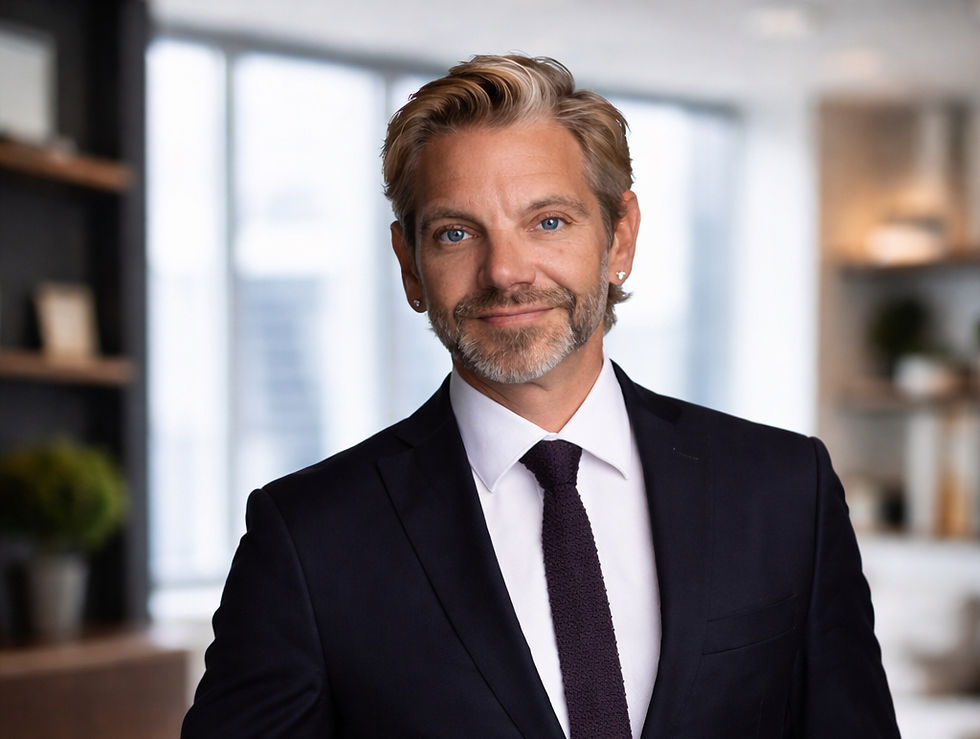
I have witnessed this firsthand as a 20-year resident of the Loop.
That model defined the district for more than a century. It worked remarkably well when downtown Chicago was built almost entirely around office life.
But cities evolve. And the Loop is evolving faster than many people realize.
Today, thousands of people live here. What was once a purely commercial district has become a neighborhood. Residents walk dogs before sunrise. Parents push strollers past the theater district. Neighbors meet for coffee on weekday mornings and gather for dinner long after office workers have gone home.
This shift is not temporary. It is structural.
The Loop is moving from a Monday–Friday, 9–5 district to a 24-hour neighborhood — seven days a week, 365 days a year.
From my perspective as both a resident and a large condominium Association President in the Loop at State and Monroe, the transformation is already underway. You can see it in the growing number of residential buildings, the new cafes and restaurants opening to serve evening crowds, and the cultural institutions that bring people downtown long after the workday ends.
The question is no longer whether the Loop will evolve.
The question is whether our leadership and institutions will evolve with it.
For decades, the success of downtown Chicago was measured by office occupancy and daytime population. Those metrics still matter, but they are no longer the full story. A resilient downtown is built on something broader: a balanced ecosystem of residents, businesses, culture, and public life.
Residents bring stability and continuity to the district. They support neighborhood retail. They activate streets beyond traditional business hours. They create the daily rhythm that turns a collection of buildings into a living community.
The Loop already has the ingredients needed for this transformation.
World-class theaters and cultural institutions.Iconic architecture and public spaces.A growing residential population.And one of the most connected transit networks in the country.
What has been missing is a shared recognition that the future of the Loop is not simply about restoring the past — it is about building something stronger.
A downtown that works in the morning, at midday, and late into the evening.
A district where residents and visitors experience the city together.
A neighborhood that feels vibrant every day of the week.
This vision will require new thinking about how we activate storefronts, program public spaces, and connect residents, businesses, and cultural institutions. It will require collaboration across property owners, civic leaders, entrepreneurs, and the organizations that help shape downtown’s future.
But the direction is clear: the Loop is not retreating. It is redefining itself.
Those who recognize this shift early will help shape the future of the district. Those who remain committed to the old 9–5 model may find themselves reacting to changes that are already well underway.
The next chapter of the Chicago Loop has already begun. It is a neighborhood.
And it is open 24 hours a day, seven days a week, 365 days a year.
The next phase of the Loop’s evolution will not happen by accident. It will require leadership that recognizes the district’s changing role in Chicago’s urban life and is willing to bring together residents, businesses, cultural institutions, property owners, and civic partners around a shared vision for downtown’s future.
The foundation for that future is already here.
As someone who has spent two decades living in the Loop and working alongside its residents, businesses, and civic institutions, I believe strongly that this transformation can be realized — and I intend to help lead it. The opportunity before us is not simply to restore downtown Chicago, but to redefine it as one of the most vibrant mixed-use urban neighborhoods in the country.
What matters now is the willingness to build on it.


Comments