Trading Commercial for Community
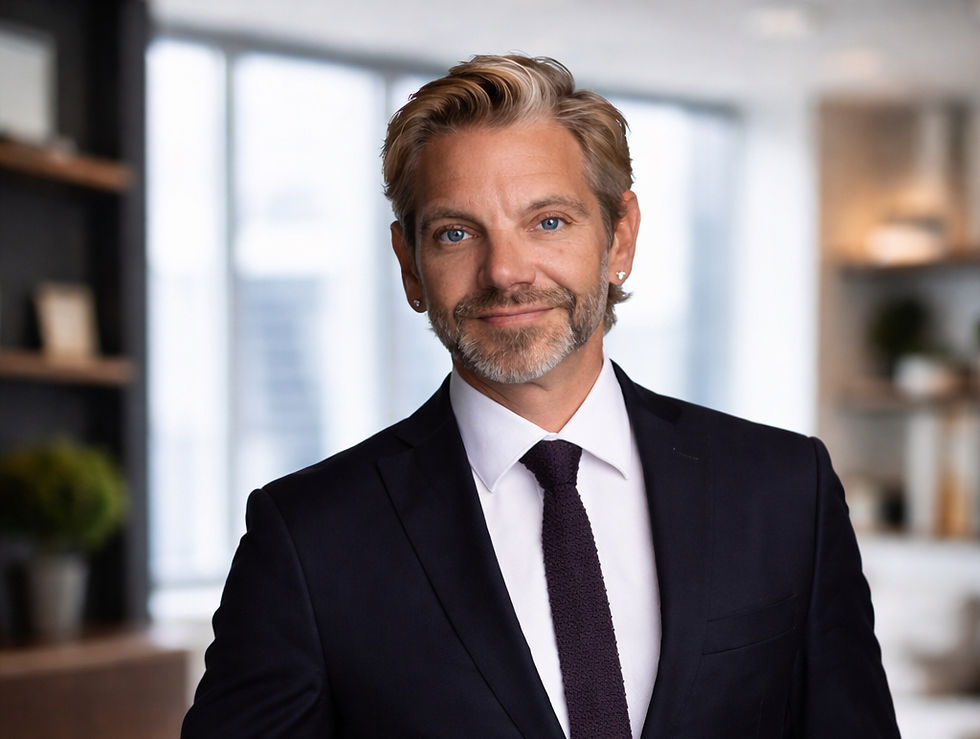
Ron Chaille, CLA Residential Committee Vice Chair, 20 year Loop Resident, HOA Board President
Trading Commercial for Community
I’ve lived in the Chicago Loop for more than 20 years, on a corner of what was once the retail heartbeat of State Street. When I first moved here, ground-floor storefronts buzzed with department stores, cafés, and the daily rhythm of office workers and shoppers. Today, many of those same spaces sit dark and vacant—first disrupted by the pandemic and then permanently altered by the acceleration of online shopping.
This transformation didn’t happen overnight, and it isn’t unique to Chicago. But the Loop is now at a clear inflection point. What was once a predominantly commercial district is steadily becoming something else: a true residential neighborhood. And I believe our building, the Metropolis, offers a compelling preview of what the Loop is becoming—and what it must become to thrive.
Years before the pandemic, many residents at the Metropolis recognized that relying solely on commercial activity would not sustain the neighborhood long-term. As a long-serving Board Officer and volunteer, I helped spearhead much of the early thinking and many of the initiatives that intentionally shifted our focus toward community building. Together, we created a Social Room where neighbors now gather organically—whether collaborating on a communal puzzle, watching the Super Bowl together, or simply connecting after work. We expanded and activated our rooftop outdoor spaces, and organized building-wide programming including progressive dinners, Wednesday wine nights, shared book exchanges, and seasonal celebrations.
Beyond our walls, we built habits of togetherness—group outings like Movies in the Park, walking groups, lunch clubs, and volunteer commissions focused on beautifying our immediate surroundings. These weren’t amenities for show; they were infrastructure for belonging. In many ways, we were building a neighborhood within a building, anticipating a future where community—not commerce alone—would define the Loop’s success.
As the Loop continues its transition from commercial center to residential community, businesses that understand this shift will have a decisive advantage. Neighborhoods don’t survive on square footage alone; they thrive on meeting daily human needs. That includes arts and culture for inspiration and connection; places for relaxation and wellness—from yoga and Pilates studios to boutique gyms; accessible parks and green spaces; cafés and restaurants that function as social anchors; and, of course, essential services like grocery stores.
The future of the Loop isn’t about replacing retail with residential—it’s about redefining what ground-floor life looks like in a neighborhood where people live, not just work. The next era of State Street and the greater Loop will belong to businesses and institutions that foster connection, serve residents’ everyday lives, and understand that community is no longer a byproduct of density—it’s the point.
And for those of us who have lived this evolution firsthand, the direction forward is clear: the Loop’s greatest asset isn’t what it used to sell—it’s the people who now call it home and the many more we continue to welcome to our neighborhood.


Comments